- March 8, 2022
- Posted by: Admin
- Category: News

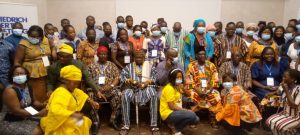
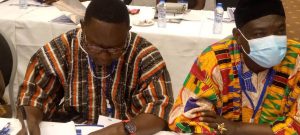
The Upper East Regional Minister, Hon. Stephen Yakubu has joined some women leaders to mark the 2022 International Women’s Day Celebration in Bolgatanga, the Regional Capital.
The three days programme is on the Theme: Towards Gender Equality and Climate Sustainability in Ghana: Perspectives, Polices and Practices in the Northern Part of Ghana”
Hon. Yakubu asked the participants to work on the Sustainable Development Goals (SGDs), goals 5 and 13 which are in line with the equality and climate change.
“It is important for all stakeholders to focus on the attainment of these goals and not to wait till the year 2030 before struggling to achieve some targets of these goals”, he urged them.
He said this day is a time to reflect on progress made which also calls for change and to celebrate acts of courage and determination by ordinary women who have played extraordinary roles in the history of their countries and communities.
The Hon. Regional Minister acknowledged that climate change is considered a global security and human right issue which was seriously challenging the sustainability of development to guarantee social justice, equity and respect for human rights.
He added that this adverse change was impacting negatively on several sectors of the economy including agriculture, forestry, health, social protection, energy and the potential threats to our progress in attaining the Sustainable Development Goals.
“It is due to this that, Ghana has a National Climate Change Policy being co-ordinated by the ministry of Environment, Science, Technology and Innovation and other ministries which have been integrated in most of the pragrammes and projects implemented in both state agencies and public- private partnership level” he added.
Hon. Yakubu further added that some of the policies include “Planting for Food and Jobs”, “Planting for Export and Rural Development”, “Rearing for Food and Jobs”. “Greening Ghana” and Sustainable Land and Water Management Project among others.
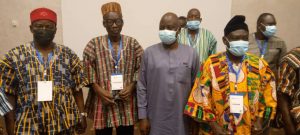
In attendance were traditional rulers, women groups, academia who took their turns to address the participants.